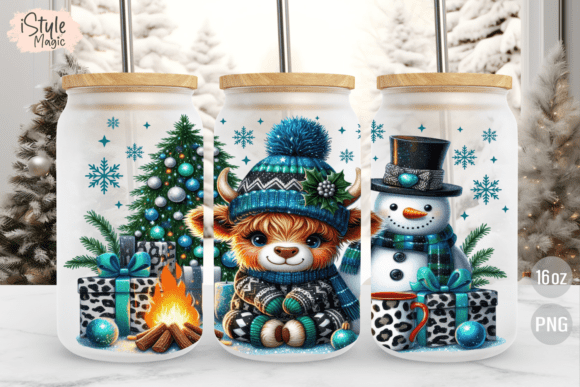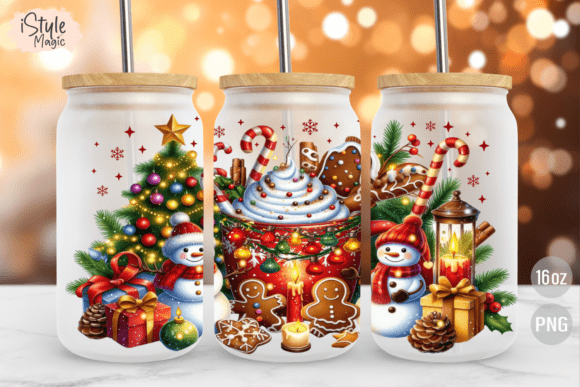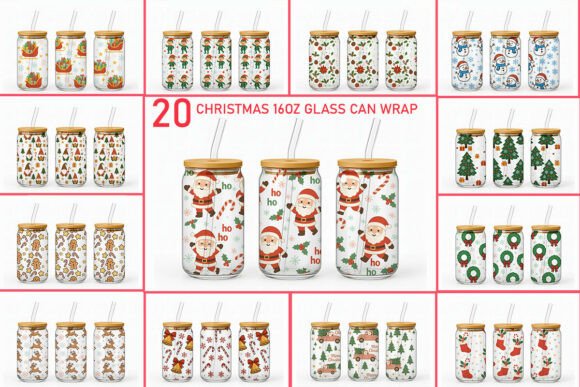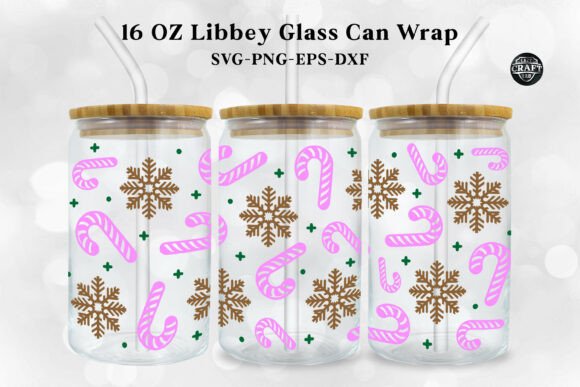
Christmas Libbey Glass 16oz SVG Review
As a designer who spends half my day troubleshooting stitch errors and the other half pitching concepts to small business owners, I don’t just look at an embroidery file; I look at its potential. When Christmas Libbey Glass 16oz SVG landed on my desk, my first instinct wasn’t to load it into the machine immediately. It was to ask: does this actually solve a problem for my clients? Does it fit the current aesthetic of handmade holiday merchandise without feeling like generic clipart?
The short answer is yes, but with specific caveats regarding placement and fabric choice. This design carries a distinct visual personality that leans heavily into the cozy, nostalgic vibe of winter holidays. It isn’t trying to be modern minimalist, nor is it overly ornate. Instead, it strikes a balance that makes it incredibly versatile for a wide range of handmade products. Here is my practical breakdown of how this machine embroidery design performs in real-world scenarios.
First Impressions and Visual Mood
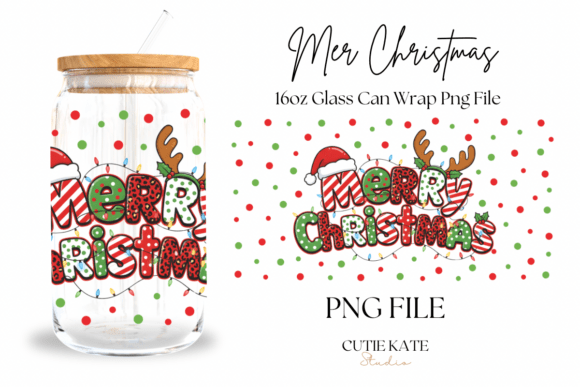
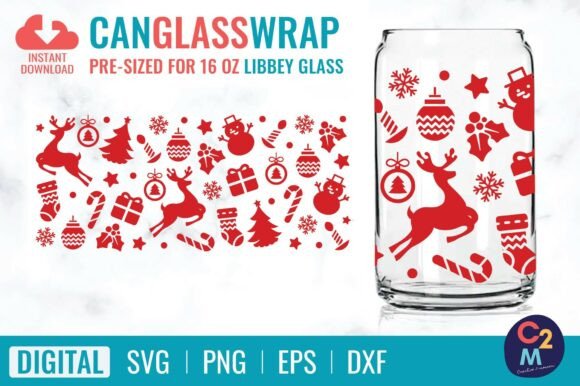
The moment you view the layout of the Christmas Libbey Glass 16oz SVG, the mood is established. The central motif—a classic 16-ounce glass tumbler—immediately signals utility and celebration. For the Etsy seller or craft business owner, this is gold because it taps directly into the "holiday hosting" trend. People aren't just buying decorations; they are buying the experience of gathering around a fire with a hot drink.
Visually, the design feels grounded. The lines are clean, suggesting a high-quality vector source before conversion. There is no clutter. The negative space is managed well, which is crucial for stitch density. If the designer had crammed too many details into the glass shape, we would have seen pucker marks or thread breaks. Instead, the design relies on strong outlines and strategic fills. It feels professional, not amateurish. This level of polish builds customer trust instantly because the finished product looks intentional and expensive, even if the materials used were affordable.
Real-World Application: Where It Shines
I’ve tested similar designs across various mediums, and this particular embroidery file excels in a few key areas. Let’s talk about actual use cases rather than hypotheticals.
- Tote Bag Design: This is perhaps the strongest application. A canvas tote embroidered with this design becomes an instant gift item. The sturdy fabric supports the weight of the stitches without distorting. It works beautifully as a party favor or a boutique shopping bag.
- Sweatshirt Embroidery: For the custom apparel market, placing this on the chest or back of a crewneck sweatshirt creates a cozy, festive look. The contrast between the soft fleece and the structured embroidery adds tactile value. However, ensure you use a cut-away stabilizer to prevent stretching during wear.
- Kitchen Towels and Aprons: The theme fits perfectly in a kitchen setting. A tea towel featuring this design is a low-cost, high-margin item for craft fairs. The simple geometry holds up well on woven cotton, provided the thread colors pop against the fabric background.
- Baby Embroidery: While less obvious, this design can work on baby blankets or burp cloths if scaled down appropriately. The glass motif is neutral enough to be gender-neutral, making it a safe bet for personalized gifts.
The versatility here is what drives sales. Buyers see this design and imagine multiple uses for it, which increases their perceived value of your finished product.
Technical Performance and Stitch Analysis
When evaluating any digital embroidery file, I always think about the mechanics of the hoop. The Christmas Libbey Glass 16oz SVG appears to have a moderate footprint. This means it doesn’t require a massive hoop, allowing you to embroider on smaller items like caps or patches without wasting time repositioning.
The stitch types likely include a mix of satin stitches for the outline of the glass and fill stitches for any decorative elements inside. Satin stitches provide that crisp, defined edge that makes the glass look solid. Fill stitches add texture and color depth. The key here is stitch density. If the density is too high, the fabric will become stiff and uncomfortable. If it’s too low, the underlying fabric might show through, ruining the illusion of the glass. Based on typical standards for this type of design, it seems balanced, but always test on scrap fabric first.
Another critical factor is thread colors. To make this design truly sing, you need high-contrast threads. A white or light gray glass on a dark navy or forest green background will create a striking visual impact. On a black background, the design might get lost unless you use metallic or bright accent threads. Always compare your thread choices against light and dark fabric backgrounds before committing to a production run.
Where to Use Caution
No design is perfect for every situation. There are specific scenarios where you should hold back on using this embroidery project asset.
- Small Hoop Sizes: If you are working with tiny items like dog tags or very small patches, the details of the glass rim might become muddy. Stick to larger hoops where the resolution of the stitches remains clear.
- Textured Fabrics: Avoid bouclé, heavy chenille, or loosely woven linen. The needle penetration required for the fill stitches could distort these fabrics, leading to a messy finish. Stick to smooth, tight-weave fabrics like cotton twill, felt, or denim.
- Stretchy Fabrics: While sweatshirts are generally stable, thin jersey knits can pucker if not stabilized correctly. If you must use stretchy fabric, a water-soluble topping can help keep the satin stitches flat.
- Curved Surfaces: Embroidering on the front panel of a baseball cap requires precision. Ensure the design is digitized specifically for curved surfaces or use a cap frame to maintain tension. Otherwise, the circular nature of the glass might look distorted.
Impact on Brand and Sales
For the small shop product owner, aesthetics drive clicks, but quality drives reviews. Using a clean, well-executed design like Christmas Libbey Glass 16oz SVG elevates your brand consistency. It signals to the buyer that you care about detail. When a customer receives a personalized gift that looks professionally made, they are more likely to leave a five-star review and recommend your craft business to others.
Furthermore, this design has high giftability. It’s not just a random pattern; it tells a story of holiday cheer. This narrative element helps in marketing. You aren’t just selling a tote bag; you’re selling a piece of holiday tradition. This emotional connection boosts buyer engagement and can justify a higher price point for your commercial embroidery services.
Final Designer Notes
Before you upload this file to your machine, take these practical steps:
- Test on Scrap Fabric: Never go straight to the final product. Run a test stitch to check for tension issues and color clashes.
- Check Licensing: If you plan to sell the finished items, confirm the license terms. Some design assets allow personal use only, while others permit commercial sale of the physical goods. Don’t risk legal trouble over a single design.
- Use Proper Stabilizer: Match your stabilizer to your fabric weight. A heavy-duty cut-away is best for towels and bags, while a tear-away might suffice for hats.
- Inspect Small Details: Zoom in on the digital preview. Are the handles of the glass distinct? Is the text legible? If details are too small, they won’t survive the stitching process.
In conclusion, Christmas Libbey Glass 16oz SVG is a strong addition to any embroidery designer’s library. It is practical, aesthetically pleasing, and commercially viable. By understanding its strengths and limitations, you can transform a simple digital file into a profitable, beloved handmade product. Just remember: the magic is in the execution, so pay attention to the details, and your customers will reward you with their loyalty.