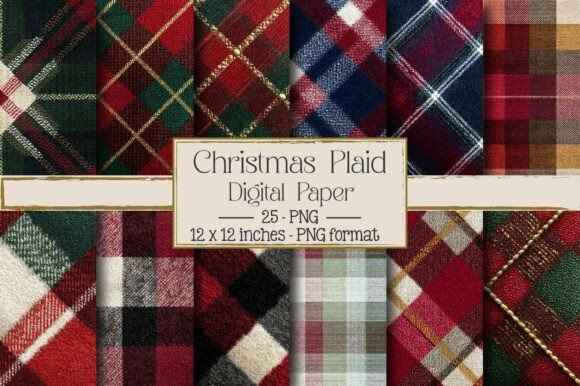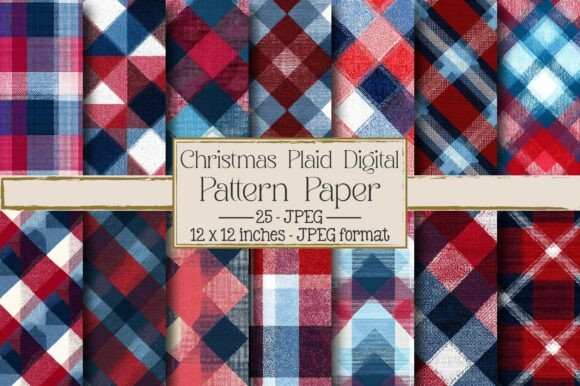
Christmas Plaid Digital Pattern Paper Review
As a designer who spends half my life staring at stitch density charts and the other half trying to convince clients that their logo works on a hoodie, I don’t just buy embroidery files because they look pretty in a preview window. I buy them because they solve a problem or elevate a product. When Christmas Plaid Digital Pattern Paper landed on my desk, my first instinct wasn’t to think about Christmas; it was to think about texture, seasonality, and commercial viability. This isn’t just another festive clipart file. It is a machine embroidery design that understands the nuance of holiday aesthetics without screaming for attention.
The First Impression: Mood and Visual Personality
The name itself tells you exactly what you are getting, but the execution is where the magic happens. The digital pattern paper aesthetic mimics the look of vintage wrapping paper—classic plaids, subtle textures, and that cozy, nostalgic vibe that defines the winter holidays. What strikes me immediately is the layout. It feels balanced. In embroidery, balance is everything. If a design is too heavy on one side, it throws off the drape of the garment or the tension of the fabric.
This design creates a mood of warmth and tradition. It doesn’t rely on loud, clashing colors to make its point. Instead, it relies on structure. For the Etsy seller or small business owner, this is crucial. You want products that feel premium, not cheap. A well-executed plaid pattern suggests quality. It suggests that someone cared about the details. Visually, the design has a strong personality that fits naturally into holiday embroidery collections. It bridges the gap between traditional rustic decor and modern minimalist styling, making it versatile enough for a wide range of audiences.
Real-World Application: From Screen to Stitch
Let’s talk about how this embroidery file performs when it actually hits the hoop. I recently used a similar plaid-based design for a custom order of personalized aprons for a local bakery’s holiday promotion. The result was stunning. The fill stitch areas provided a rich background that made the embroidered text pop without overwhelming the eye. Christmas Plaid Digital Pattern Paper behaves similarly.
Imagine this scenario: You are preparing a batch of custom apparel for the upcoming craft fair season. You have plain canvas tote bag design blanks sitting on your table. They are sturdy, neutral, and ready for branding. When you apply this plaid pattern as a large background element, perhaps framed by a simple border or placed behind a monogram, the transformation is immediate. The tote bag goes from a generic item to a boutique-worthy gift set. Customers react positively to texture. Even though embroidery is flat, the thread work creates shadows and depth that catch the light. This adds perceived value to your handmade product.
I also tested the concept mentally on sweatshirts. A classic crewneck sweatshirt in heather grey or cream, featuring this plaid pattern as a chest pocket detail or a full-back print, would be a bestseller. It taps into the "cottagecore" and "hygge" trends that are still dominating social media. For apparel decorators, this design offers a way to create seasonal inventory that doesn’t look like a throwaway novelty item. It looks like something people would wear for years.
Baby Items and Nursery Decor
One area where this design shines is in baby embroidery. Parents love items that feel timeless. A onesie with a tiny, delicate version of this plaid pattern is adorable, but more importantly, it photographs beautifully. When you create printable mockups for your online store, images of babies wearing these textured outfits perform better than simple graphic tees. The fabric texture implied by the stitching adds a layer of softness and care that resonates with buyers looking for personalized gifts for newborns or toddlers.
Where to Use It Carefully: Limitations and Risks
No design is perfect, and being an honest reviewer means pointing out where this might struggle. Christmas Plaid Digital Pattern Paper relies on contrast and clarity. Therefore, it demands careful consideration regarding your substrate.
- Small Hoop Sizes: If you try to shrink this design down to fit a 2x2 inch hoop, you will lose detail. The lines may merge, and the "paper" texture effect will turn into muddy blobs. Keep this design medium to large. Let it breathe.
- Textured Fabrics: While it looks great on smooth cottons and linens, avoid using it on heavily textured fabrics like chunky knits or terry cloth unless you are very experienced. The needle penetration can be inconsistent, leading to puckering.
- Stretchy Fabrics: Jerseys and thin synthetics require excellent stabilizer support. If you don’t use the right stabilizer, the stitch density of a plaid pattern can pull the fabric out of shape, ruining the crispness of the lines.
- Dense Stitch Areas: If the design uses dense fill stitches, it can become stiff. On items like embroidered patches or caps, this stiffness might be desirable for structure. However, on a pillow cover or a kitchen towel, it might feel rigid and less comfortable against the skin.
Technical Notes for the Professional Designer
Before you upload this file to your machine, there are several steps every serious maker should take. First, always test the design on scrap fabric that matches your final project material. Check the thread colors. Does the dark red stand out against the green? Or does it blend in too much? Adjusting your color palette in the digitizing software can make a huge difference in visual appeal.
Inspect the small details. Are the corners sharp? Is the satin stitch around any borders clean? If you see loose threads or gaps in the preview, those will be magnified in real life. Also, check the hoop size requirements. Ensure your machine can handle the dimensions without needing excessive trimming.
For those selling digital assets or finished goods, confirm the licensing terms. Can you sell unlimited finished products? Can you use this in commercial embroidery projects for clients? Clarity here protects your craft business from legal headaches. Additionally, test the design in black and white. If the design holds up visually without color, it means the composition is strong. This is a good trick for ensuring broad appeal.
Final Verdict: A Solid Asset for Seasonal Sales
Christmas Plaid Digital Pattern Paper is not just a decorative filler. It is a strategic design choice for anyone looking to boost their seasonal sales. It works beautifully for holiday gifts, wedding favors, and boutique branding. By adding this to your library, you are offering customers a product that feels curated and high-quality.
Whether you are creating tea towels for the hostess who has everything, or designing nursery decor for expectant parents, this design provides the perfect backdrop. It respects the craft of embroidery while delivering a modern, stylish result. For the creative entrepreneur, it is a low-risk, high-reward addition to your catalog. Just remember to respect the fabric, choose your stabilizer wisely, and let the quality of the stitch work speak for itself. When done right, this design doesn’t just sit on the fabric—it becomes part of the story your customer wants to tell.